


Conditions such as thoracic osteochondrosis are common but much less common than other forms of the disease.Initially, it has no obvious symptoms, so when the pain becomes apparent, it is often diagnosed in a more complex form.
Occurrence of thoracic osteochondrosis
In modern medicine, the cause of thoracic osteochondrosis has not been established.Although the influence of some factors is considered to be an indirect cause of the occurrence.They are as follows:
- genetics.If a close relative of yours has been infected with the disease, chances are it will be noticed sooner or later.Therefore, when doctors collect medical records, they will ask relatives whether they have genetic diseases.
- Changes in the body due to growth and aging.The intervertebral disc inevitably undergoes deformation, which depends on the contraction of hydrophilic tissues and the reduction of chondroitin sulfate synthesis.
- A back injury can become chronic.The latter option is typical for professional athletes or people who engage in strenuous physical activity.
- Spinal microcirculatory disorders.May be complicated by atherosclerosis.
Osteochondrosis of the chest has many different symptoms.Because all internal organs "rest" on the spine, advanced disease can lead to damage to the liver, kidneys, pancreas, heart, and intestinal disease.Most commonly, osteochondrosis of the chest is felt when there is pain between the ribs, pain when exhaling and inhaling, and discomfort when moving the arms upward and bending the torso.
The form of osteochondrosis is often determined by pain between the ribs that can cause difficulty breathing.The pain is more intense at night and is accompanied by a decrease in body temperature, vibrations, bending and turning of the body.These symptoms are often attributed to heart disease, except that spinal disease causes pain that lasts longer, while nitroglycerin does not eliminate the pain.Heart disease can cause "beats" in blood pressure, which does not occur with osteochondrosis.
Back pain and back pain

Dorsago is an unexpected, severe pain in the chest.It most commonly manifests itself in people who sit or bend over for long periods of time.
It can be observed when standing up suddenly after sitting for a long time.The pain is so severe that breathing becomes difficult.Increased muscle tone results in decreased movement in various parts of the spine.
Dasar's pain has no obvious symptoms within 3 weeks.It's accompanied by feelings that are more unpleasant than painful.Severe pain occurs only when sighing deeply, turning around, and bending over.Muscle tension and stiffness may increase in the upper and lower back.
As with back pain, the pain may worsen at night.
To get rid of the pain, you need to move around a little.
There may also be symptoms that make it difficult to make a correct diagnosis.If disease occurs in the upper chest, pain may occur in the pharynx and esophagus.When the middle part of the spine is affected, sensations may occur in the right rib area, which is also a symptom of diseases such as pancreatitis and cholecystitis.In osteochondrosis of the lower chest region, symptoms similar to those of intestinal pathology occur.
During the course of the study, experts established a link between pain and physical activity.Most often, the pain occurs after lunch, worsens in the evening, but decreases after a healthy sleep.You should not delay treatment for this disease, as it can lead to more serious lesions in other organs and systems.Among the most dangerous are cardiovascular pathology and dystrophic changes in the myocardium.Chest osteochondrosis can lead to duodenal dysfunction and intestinal motility disorders.
diagnosis
The main diagnostic method used to identify the pathology of osteochondrosis is radiographic examination.The following symptoms are characteristic of this pathology:
- degenerative movement;
- Laminoplasty;
- The intervertebral disc height decreases, creating a bumpy contour;
- bone growth;
- The shape of the spine changes significantly.
In some particularly complex cases, computed tomography may be used.However, there is a high risk of radiation exposure during this procedure, so it is best to avoid such diagnostics unless there is an urgent need.
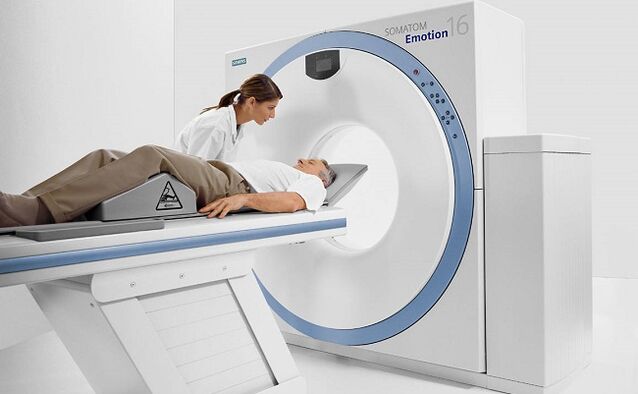
Neurologists also perform studies to determine possible disorders of the nervous system.Procedures included neuroelectromyography and observation of tendon reflexes.An EKG is done to track the extent to which the disease is affecting heart function.Such studies can predetermine the appearance of ischemic pathology and potentially control blood pressure.
treat
After diagnosis, your doctor may prescribe the following medications:
- NSAIDs.They are used to eliminate pain.
- Corticosteroids may be given, but only in cases of severe pain.If the pain is not of sufficient intensity, pain relief is limited to nonsteroidal medications.
- Diuretics can relieve swelling.
- B vitamins are used to stimulate blood circulation.
- Chondroprotectants are used to regenerate damaged cartilage.
Ointments for this type of osteochondrosis are less effective and are better suited for other types of disease.For those who don't trust or simply don't support medication, there are several other ways to rule out its use.These include acupuncture, electrophoresis, laser, cigar, vacuum, manual therapy, traditional massage and cupping massage.In order for this treatment to be effective, it is necessary to contact a specialist with specialized training and experience in this field.The right choice of treatment will help stimulate circulation, relieve muscle spasms and relieve pain.Correct physical activity, including therapeutic exercises and swimming, is required.A very important factor in recovery is proper nutrition.
Any form of osteochondrosis, especially in the chest area, is a very unpleasant pathology.When the first symptoms appear, it is important to promptly contact a specialist so that he can choose the appropriate treatment.Delay may cause the condition to worsen.